Gold Shows Resilience as Central Banks Buy and Debt Burdens Rise
Gold appears to be regaining its strength as central banks continue buying the metal and governments prepare to issue more debt, according to Bloomberg analyst Garfield Reynolds. Rising debt levels are renewing gold’s appeal as protection against the risk that governments may allow inflation to reduce the real value of what they owe.
Gold has climbed above $4,100 an ounce in July and is heading toward its first monthly gain since the Middle East war began. The advance has come even as renewed fighting between the United States and Iran pushed oil prices higher. Investors may also be returning to gold because of uncertainty surrounding the war, President Trump’s tariff plans and questions about whether the technology-led stock market boom can continue.
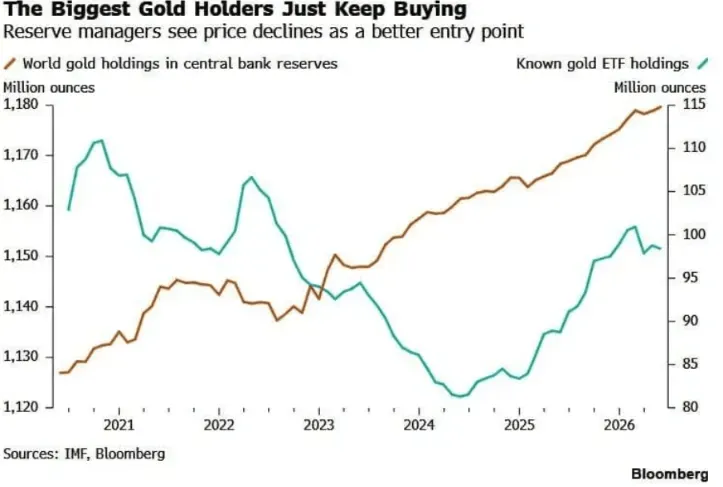
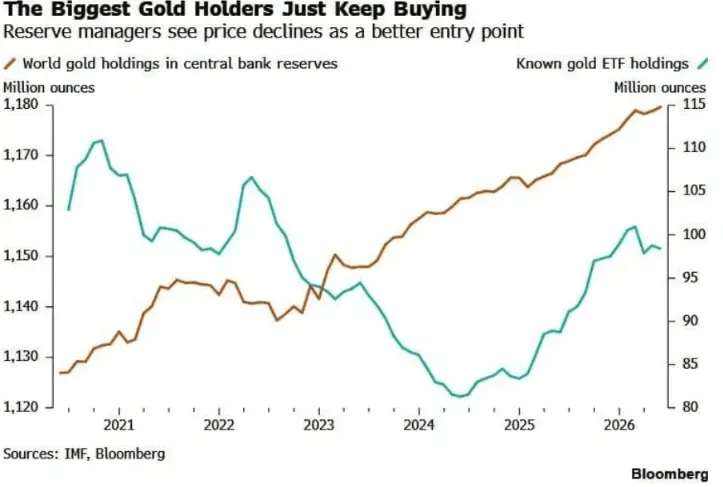
Central banks remain one of the strongest sources of demand. Their gold holdings are about 10 times larger than the amount held in exchange-traded funds. China increased its reserves in June for the 20th consecutive month and made its largest purchase since 2023. Poland is also buying at a pace that could match its strong purchases in 2025.
According to the World Gold Council, central banks bought a net 244 tonnes of gold during the first quarter of 2026, up from 208 tonnes in the previous quarter. This buying continued even though Turkey, Russia and Azerbaijan sold gold for reasons connected to their own financial needs.
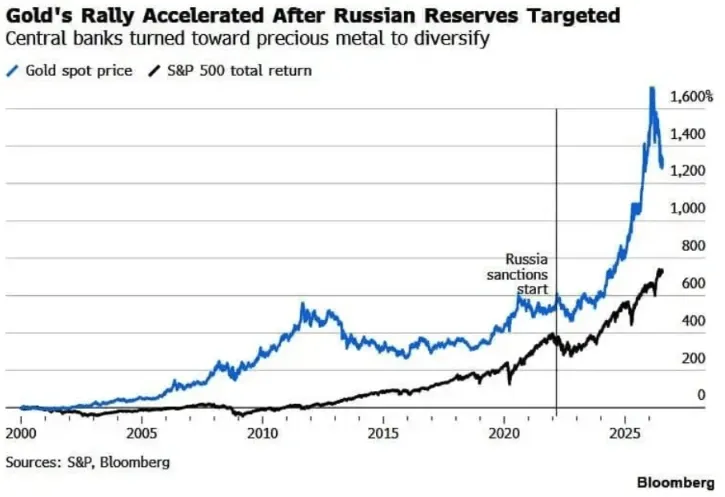
Gold’s role as a reserve asset became more important after Western governments froze much of Russia’s foreign-exchange reserves in 2022. That event showed central banks that foreign currencies and bonds could become unavailable during political conflicts. Gold carries less counterparty risk and is not controlled by another government.
Gold could still struggle if oil rises above $100, the dollar strengthens sharply or investors return aggressively to technology stocks. However, its recent resilience suggests that central-bank buying, rising government debt and demand for financial protection remain powerful long-term supports.