Not everyone begins exploring physical metal with gold or silver. Copper bars offer another entry point, especially for someone who wants to hold a minted object, examine detailed artwork or build a themed collection. Their typically lower individual purchase prices can make experimentation feel more approachable.
It helps to understand what you pay for with copper bullion. Copper is widely used in industry, while retail copper bars and rounds are finished products with manufacturing, artistic and distribution costs. Those added costs can be high compared with the metal’s value.
Weight and Purity in 1 oz Copper Bars
A common listing is a 1 oz copper bar, but the unit deserves attention. Scottsdale Mint identifies some copper bars as one AVDP ounce, which is about 28.35 grams. That is different from the 31.10-gram troy ounce used in many gold and silver listings. Likewise, .999 fine copper means 99.9% copper content.
A novice comparing a copper bar with a silver bar should therefore look at both the metal and the unit of weight. The same written “1 oz” label does not always refer to the same number of grams across metals.
Four Reasons People Start With Copper Bars
1. Accessible individual purchase size: A smaller price per finished piece may make it easier to explore multiple styles.
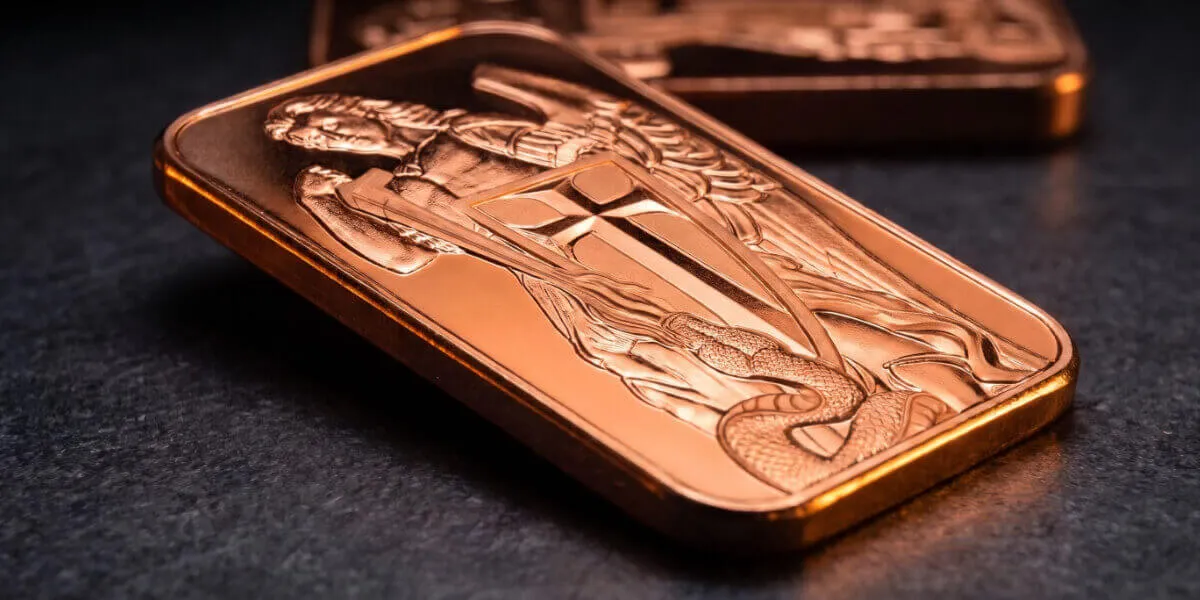
2. Visible craftsmanship: Engraving, texture and finish make the minting process tangible.
3. Collectible designs: A bar or round can be chosen for its artwork, theme or connection to a series.
4. Straightforward comparison: Buyers can study weight, purity and total retail price on a specific product listing.
For example, Scottsdale Mint’s Vortex copper bar contains one AVDP ounce of .999 fine copper and features an optical design with Scottsdale Mint’s iconic lion. It shows how a product’s visual identity can matter alongside its metal specifications.
This beginner-friendly format also offers a useful way to learn how minted products differ from raw industrial copper. The price reflects a finished collectible, not merely a measurement of copper traded in bulk. Asking about that difference before ordering can help set realistic expectations.
Starting Your Copper Collection
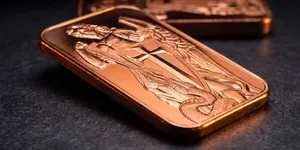
The purpose matters. Copper bars suit hobby collecting, gifts and design-focused purchases, and Scottsdale Mint offers 1 oz copper bars in several designs, including Archangel Michael and Marquee Peacock. If you prefer a coin-like shape, Scottsdale Mint also offers 1 oz copper rounds, such as the Lion Stacker® copper round. Start with one design that catches your eye, confirm its weight and purity, and build from there. This article is educational only, and buying copper does not guarantee appreciation.
Frequently Asked Questions About 1 oz Copper Bars
Are Copper Bars a Good First Bullion Purchase?
Copper bars can be a useful first collecting experience for people who value a tangible product, distinctive designs and accessible individual prices. Before ordering, check purity, weight units, product premiums and the seller’s fulfillment terms.
What Does .999 Fine Copper Mean?
It means the product is 99.9% copper. Scottsdale Mint’s copper bars are listed as .999 fine copper.
Is a 1 oz Copper Bar the Same Weight as a 1 oz Silver Bar?
Not necessarily. Copper bars are often measured in avoirdupois ounces, about 28.35 grams, while silver bars typically use troy ounces, about 31.10 grams. Check the unit on each listing.
Why Do Copper Bars Cost More Than the Copper Inside Them?
A finished copper bar includes minting, design, handling and distribution costs on top of the metal value. Those premiums can be high relative to the copper content.