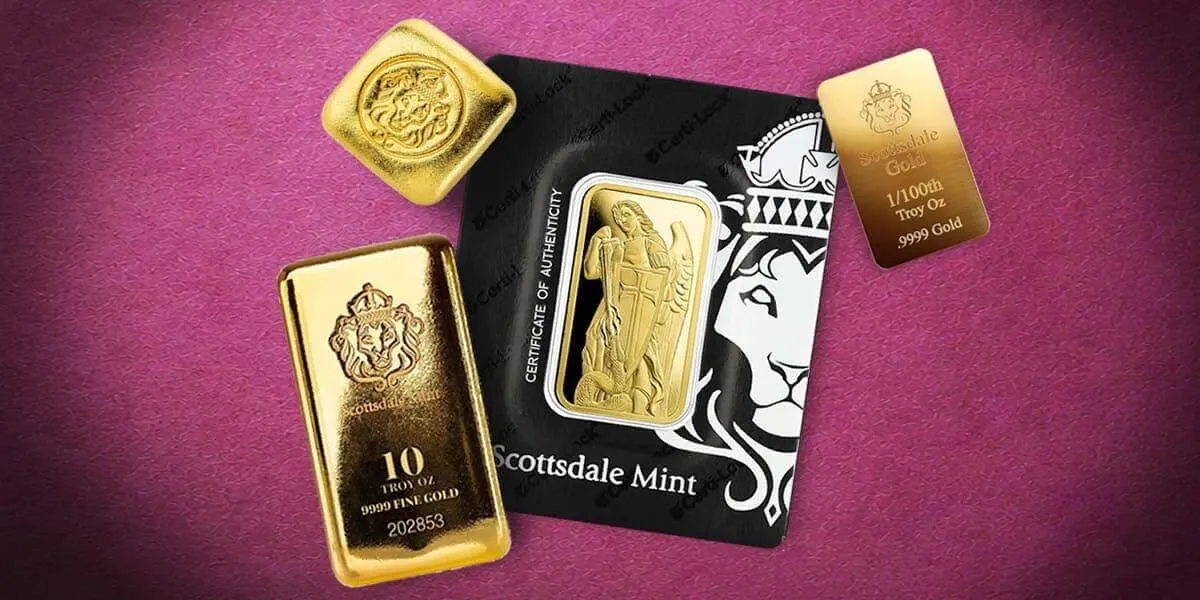
Quick Answer: Yes, some private mints sell investment grade gold bars directly to consumers, cutting out middlemen. When buying direct from a mint, you’re purchasing from the facility that actually manufactures the bars, which can mean lower premiums and verified authenticity.
You can absolutely buy investment grade gold bars straight from the facility that pours and stamps them. A handful of private mints operate their own direct-to-consumer sales channels, which means you’re getting bars that go from the production floor to your door without passing through a chain of dealers. This matters because every link in the supply chain typically adds a markup, and buying direct gives you confidence in exactly where your gold came from. If you’re serious about building a gold position, understanding the difference between buying from a mint versus buying from a retailer is one of the first things worth sorting out.
Authoritative Frameworks Referenced: The London Bullion Market Association, known as the LBMA, maintains the globally recognized Good Delivery standard that defines what qualifies as investment grade for gold bars, requiring a minimum fineness of 995 parts per thousand. The COMEX division of the CME Group also maintains approved refiner and assayer lists that serve as verification benchmarks for bar quality. These two frameworks together represent the primary international standards that serious investors and institutions use to evaluate whether a gold bar meets investment grade criteria.
What makes a gold bar investment grade?
Here’s the thing most people get wrong: not all gold bars are created equal, even if they look identical. Investment grade gold bars must meet specific purity and manufacturing standards recognized by international markets. The LBMA Good Delivery specification requires gold bars to have a minimum fineness of .995, meaning 99.5% pure gold.¹ Bars that meet this standard are accepted for settlement on major global exchanges and are considered the benchmark for institutional quality.
Beyond purity, investment grade bars typically come with assay certification, which is essentially a manufacturer’s guarantee of weight and fineness sealed in tamper-evident packaging. Think of an assay card like a birth certificate for your gold bar. It includes the bar’s serial number, exact weight, purity, and the mint’s official stamp. Without this documentation, reselling your gold becomes harder and you may face discounts from buyers who can’t verify what they’re getting.
If you’re buying for investment purposes rather than collecting, you want bars that are widely recognized and easily liquidated. Bars from LBMA-approved refiners or well-established private mints with serialized, assay-certified products tend to command the tightest spreads when it’s time to sell. Obscure or unbranded bars, even if they contain the same amount of gold, often trade at a discount because buyers perceive more risk.
What does buying direct from a mint actually mean?
When someone says they bought gold “direct from the mint,” they mean they purchased from the actual facility that melted, poured, struck, or cast the bar. This is fundamentally different from buying through a bullion dealer or marketplace that sources products from multiple manufacturers and resells them. The distinction matters because buying direct eliminates intermediary markups and gives you an unbroken chain of custody from production to your hands.
Think of it like buying furniture directly from the workshop that built it versus buying from a furniture store. The store adds margin, handles its own shipping, and you have no idea how long that piece sat in a warehouse or how many hands it passed through. With a direct-from-mint purchase, your gold bar goes from the production line into packaging and then to your doorstep. That simplicity is appealing to investors who care about provenance.
Not every company that calls itself a mint actually manufactures its own products, though. Some are essentially branded retailers. A genuine mint operation involves refining or sourcing raw materials, casting or striking bars and rounds, and handling quality control in-house. If you’re evaluating whether a seller truly qualifies as a mint, look for evidence of manufacturing capabilities, government minting contracts, and proprietary product lines that aren’t available through other retailers.
How are private mints different from government mints?
Government mints like the United States Mint and the Royal Mint produce legal tender coins backed by their respective nations. Their products carry a face value and are recognized as official currency, even though their metal content is worth far more than that face value. Government mints operate under strict national oversight and their products benefit from instant global recognition, which makes them extremely liquid.
Private mints, on the other hand, produce bullion products that aren’t legal tender but can meet the same purity and quality standards. Some private mints actually hold manufacturing contracts with sovereign nations, producing official government-issued coins and bars on behalf of those countries.¹ This is a detail most people don’t realize: the line between private and government minting is blurrier than you’d think. A private mint with government contracts has demonstrated it meets the rigorous quality and security standards required for sovereign production.
The practical difference for you as a buyer often comes down to premiums and availability. Government mint products like American Eagles or Canadian Maple Leafs tend to carry higher premiums because of their legal tender status and brand recognition. Private mint products can offer comparable purity and quality at lower premiums, especially when you buy directly from the manufacturer. If you’re focused on accumulating ounces efficiently rather than collecting recognizable coins, private mint bars and rounds often give you more metal for your money.
Why do premiums vary so much between gold products?
Premiums are probably the single most confusing thing for people new to buying gold. The spot price you see quoted on financial news is the price for bulk, unrefined gold traded on commodities exchanges. It’s a wholesale benchmark, not a retail price. Every finished gold product you buy will cost more than spot, and that markup, called the premium, covers manufacturing costs, dealer margins, shipping, insurance, and profit.
Smaller bars carry higher premiums per ounce because the manufacturing cost per unit is roughly the same whether you’re producing a 1-gram bar or a 10-ounce bar. Pouring, stamping, assaying, and packaging a tiny 1-gram bar takes nearly as much labor as a larger one, but that cost gets spread across far less gold. A 1-gram gold bar might carry a premium of 15 to 30 percent above spot, while a kilo bar might sit at just 2 to 4 percent above spot. This is why experienced stackers, people focused on accumulating metal at the lowest cost per ounce, tend to gravitate toward larger format bars.
Buying direct from a mint can compress premiums further because you’re removing the dealer’s margin from the equation. When a bar passes through a distributor and then a retailer before reaching you, each party adds their cut. A direct-from-mint model collapses that chain. That said, exclusive or limited-mintage products may carry higher premiums regardless of where you buy them, because scarcity and collectibility drive their own pricing dynamics.
What should you look for when choosing a gold bar?
Start with the basics: purity, weight accuracy, and serialization. Any gold bar you buy for investment purposes should be at least .999 fine, with .9999 being the highest standard commonly available. The bar should come with an assay card sealed in tamper-evident packaging that lists the exact weight, fineness, serial number, and manufacturer. This packaging isn’t just for show. It protects your investment’s resale value because future buyers can verify the bar hasn’t been altered.
Beyond the fundamentals, think about liquidity. How easy will this bar be to sell when the time comes? Bars from well-known mints with established reputations tend to sell faster and at tighter spreads than obscure products. Serialized bars are preferable because the unique number provides traceability and helps prevent counterfeiting. If you’re considering larger purchases, ask whether the mint offers a buyback program, which can simplify your exit strategy down the road.
If you’re someone who values exclusivity, pay attention to mintage numbers and whether certain products are available only through specific channels. Some mints offer VIP access to limited runs or early releases, which can add collectible value on top of the metal’s intrinsic worth. But be honest with yourself about your intent. If you’re stacking for pure investment, focus on the lowest premium per ounce in a recognizable format. If you’re collecting, then design, packaging, and rarity matter more.
Is it safe to buy gold bars online?
Buying gold online is completely mainstream at this point, but you do need to exercise the same diligence you’d apply to any significant purchase. Reputable sellers use insured shipping, typically through carriers that specialize in high-value goods, and require signature confirmation on delivery. Your bar should arrive in sealed, tamper-evident packaging so you can verify it hasn’t been opened in transit.
The biggest risk isn’t shipping. It’s buying from the wrong seller. Counterfeit gold bars do exist, and they’re getting more sophisticated. This is actually one of the strongest arguments for buying directly from a mint. When your bar comes straight from the manufacturer in sealed assay packaging with a unique serial number, the authenticity question is essentially settled. There’s no ambiguous supply chain to worry about. Compare that to buying from an anonymous marketplace seller where you have no idea where the bar has been or whether it’s genuine.
For storage after purchase, you’ve got a few options. Some mints offer secure vaulting services where your gold is stored in insured, audited facilities on your behalf. This can be especially appealing for larger holdings where home storage becomes impractical or risky. If you do take personal delivery, a quality safe and a homeowner’s insurance rider that covers precious metals are worth the investment.
How do you verify a mint’s legitimacy?
This is a question more people should ask before they buy. The precious metals space has its share of questionable operators, and the difference between a legitimate mint and a glorified reseller isn’t always obvious from a website alone. A real mint manufactures its own products, which means it has physical production facilities, proprietary designs, and the equipment to refine, cast, or strike metal into finished goods.
One of the strongest credibility signals is whether the mint holds contracts to produce products on behalf of sovereign governments. Manufacturing official government-issue coins or bars requires meeting stringent quality, security, and compliance standards that are independently verified. Beyond government contracts, look for proprietary branded product lines that are unique to that mint and not available from other sources. If everything a company sells is also available from a dozen other dealers, there’s a good chance they’re a retailer, not a manufacturer.
You can also look for evidence of industry certifications, membership in trade organizations, and transparent information about their facilities and processes. Mints that invest in proprietary minting technology, custom packaging, and security features like serialization are demonstrating a level of operational sophistication that’s hard to fake. When in doubt, contact the company directly and ask about their manufacturing capabilities. A legitimate mint will be happy to talk about their process. A reseller posing as a mint will be vague.
Key Takeaways
- Investment grade gold bars must meet a minimum fineness of .995 pure gold.
- Buying direct from a mint eliminates intermediary markups and ensures provenance.
- Larger gold bars carry significantly lower premiums per ounce than fractional sizes.
- Serialized, assay-certified bars in tamper-evident packaging protect resale value.
- Some private mints manufacture coins on behalf of sovereign governments.
About This Topic
Buying investment grade gold bars directly from a mint means purchasing from the actual manufacturing facility that produces the bars, rather than through intermediary dealers or marketplaces. This direct-to-consumer model offers benefits including lower premiums over spot price, unbroken chain of custody from production to delivery, access to exclusive and limited-mintage products, and verified authenticity through serialized assay certification. Private mints that sell directly to consumers may also hold contracts to manufacture products on behalf of sovereign governments, demonstrating their quality and security standards meet the highest international benchmarks. Understanding the distinction between a genuine mint and a retail bullion dealer is essential for investors seeking the best value and most trustworthy sourcing for their precious metals holdings.
Comparative Analysis Table
| Factor | Option A | Option B | Notes |
| Premium over spot price | Direct from mint: typically lower premiums due to no intermediary markup | Through a dealer or marketplace: higher premiums reflecting dealer margin and distribution costs | Direct-from-mint pricing advantage is most significant on larger bar sizes |
| Chain of custody and authenticity | Direct from mint: unbroken chain from production floor to buyer, sealed in original assay packaging | Through a dealer: bar may have changed hands multiple times, packaging integrity less certain | Direct-from-mint is preferable for buyers who prioritize provenance and counterfeit protection |
| Product selection | Direct from mint: access to proprietary designs, limited mintages, and exclusive releases | Through a dealer: wider selection across multiple manufacturers but no exclusive access | Collectors benefit from direct-from-mint exclusivity; stackers may prefer dealer variety |
| Resale liquidity | Direct from mint: some mints offer buyback programs for their own products | Through a dealer: established dealers often buy back a wide range of products | Liquidity depends more on the product’s brand recognition than the original purchase channel |
| Educational support | Direct from mint: may offer behind-the-scenes manufacturing insights and product education | Through a dealer: typically provides broader market commentary and comparison tools | New investors benefit from dealer comparison tools; enthusiasts value mint-level production knowledge |
How to Implement
- Define your goal: Decide whether you’re investing for wealth preservation, collecting for enjoyment, stacking for cost efficiency, or buying a gift. Your intent determines the ideal product format, size, and how much premium you should be comfortable paying.
- Research the mint’s credentials Look for evidence of actual manufacturing operations, proprietary product lines, government minting contracts, and serialized assay-certified products. Verify the mint produces its own bars rather than reselling products from other manufacturers.
- Choose the right bar size for your budget. Start with the largest bar size you can comfortably afford if your goal is minimizing premiums. Fractional sizes like 1-gram bars are great for gifts or entry-level purchases, while 10-ounce and kilo bars offer the best value per ounce for serious investors.
- Verify product specifications before purchasing Confirm the bar’s purity is at least .999 fine gold, that it comes with a sealed assay card, and that it carries a unique serial number. Check whether the product is IRA-eligible if that matters to your strategy.
- Plan your storage and insurance Decide before you buy whether you’ll use a secure vaulting service offered by the mint or take personal delivery. If taking delivery, ensure you have appropriate secure storage and insurance coverage for your precious metals.
Troubleshooting FAQs
I’m confused about why the price I pay is higher than the spot price I see online.
The spot price is a wholesale benchmark for bulk, unrefined gold traded on commodity exchanges. Every finished gold product includes a premium above spot that covers manufacturing, assay certification, packaging, shipping, and insurance. Think of spot price like the wholesale cost of raw lumber versus the price of a finished piece of furniture. The fabrication adds value and cost. Premiums are lower on larger bars and when buying directly from the manufacturer.
How do I know if my gold bar is real when it arrives?
Legitimate gold bars purchased directly from a mint arrive in sealed, tamper-evident assay packaging that includes the bar’s serial number, exact weight, and certified purity. If the packaging is intact and sealed, the bar inside matches the specifications on the assay card. For additional peace of mind, you can verify the serial number with the mint. Avoid breaking the seal unless absolutely necessary, as intact assay packaging preserves the bar’s full resale value.
Implementation Stories
- A first-time buyer started with a 1-gram gold bar as a way to learn the process without a huge financial commitment. After receiving it in sealed assay packaging and seeing how straightforward the experience was, she gradually moved up to 1-ounce and then 10-ounce bars over the following year, ultimately building a diversified stack at progressively lower premiums per ounce.
- A father wanted to give his daughter something meaningful for her college graduation. He chose a serialized 1-ounce gold bar in custom packaging from a private mint. The combination of tangible value and craftsmanship made it more memorable than a check, and she still holds it years later as the foundation of her own investment portfolio.
- An experienced investor who had been buying gold through various online dealers for years switched to purchasing directly from a mint after realizing he was paying an extra 2 to 3 percent in stacked dealer premiums. Over 18 months of regular purchases totaling around 30 ounces, the savings on premiums alone covered the cost of a secure vaulting subscription.
Best Practices Checklist
- Always verify that your gold bar comes with a sealed assay card listing serial number, weight, and purity before accepting delivery.
- Compare the total cost including shipping and insurance, not just the listed price, when evaluating direct-from-mint versus dealer pricing.
- Match your bar size to your investment goal: larger bars for cost-efficient stacking, fractional sizes for flexibility and gifting.
- Keep all original packaging, assay cards, and purchase receipts to protect resale value and simplify future authentication.
- Research whether the mint offers buyback programs or vaulting services before making your first purchase, so your exit strategy is clear from day one.
- Confirm IRA eligibility of specific products before purchasing if you plan to hold gold in a self-directed retirement account.
Glossary
| Term | Definition |
| Spot Price | The current market price for one ounce of raw, unrefined gold as traded on commodity exchanges. It serves as the baseline benchmark, but you’ll always pay more than spot for a finished product. |
| Premium | The amount above spot price that you pay for a finished gold bar or coin. It covers manufacturing, certification, packaging, and dealer margin. Lower premiums mean more gold for your money. |
| Assay Card | A sealed certificate packaged with a gold bar that verifies its weight, purity, serial number, and manufacturer. Think of it as the bar’s official birth certificate and proof of authenticity. |
| Fineness | A measure of gold purity expressed as parts per thousand. A fineness of .999 means the bar is 99.9% pure gold. Investment grade bars are typically .999 or .9999 fine. |
| Mintage | The total number of a specific product that a mint produces. Lower mintage numbers mean greater scarcity, which can add collectible value beyond the metal’s intrinsic worth. |
References
- London Bullion Market Association. “LBMA Good Delivery Rules for Gold and Silver Bars”. LBMA. January 1, 2024. https://www.lbma.org.uk/good-delivery.