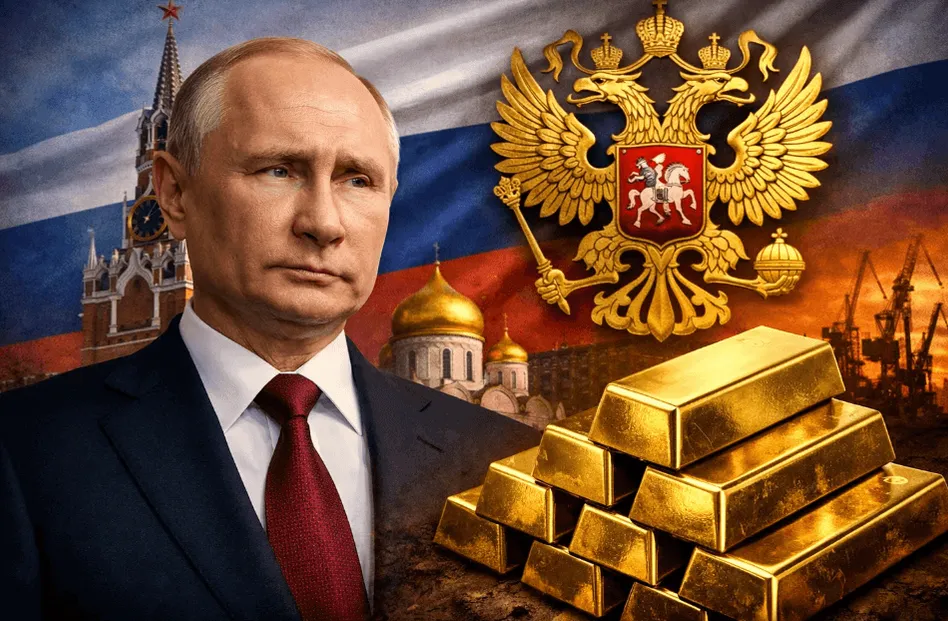
GFN – MOSCOW: Russia has moved to restrict the outflow of physical gold, with President Vladimir Putin signing a decree banning the export of larger gold bars, a policy shift that underscores tightening capital controls and the growing role of bullion inside the domestic financial system.
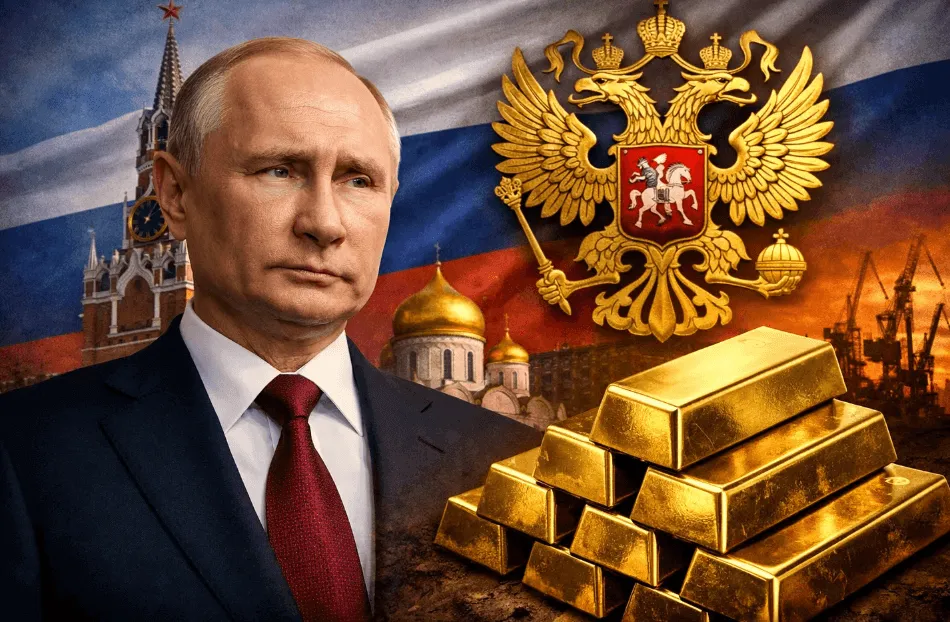
The decree, published on Russia’s official legal portal and reported across state-linked wires, prohibits the export of refined gold bars exceeding 100 grams by individuals, companies, and entrepreneurs beginning May 1, 2026, with limited exemptions tied to permits and designated export channels.
“A ban is hereby imposed… on the export… of refined gold in bars… more than 100 grams.”
The restriction does not amount to a full sovereign halt of gold exports, as exemptions remain for certain transactions and institutional channels. However, the policy effectively curtails the movement of investment-grade bullion out of the country, tightening control over a key monetary asset.
Officials have linked the move to rising use of gold as a substitute for foreign currency in cross-border and illicit transactions, particularly amid ongoing sanctions and financial fragmentation.
Gold has been “used as a substitute for foreign exchange… fuelling capital flight.”
The decree arrives alongside parallel restrictions on large cash movements, signaling a broader effort to limit capital outflows and retain liquidity within Russia’s domestic system.
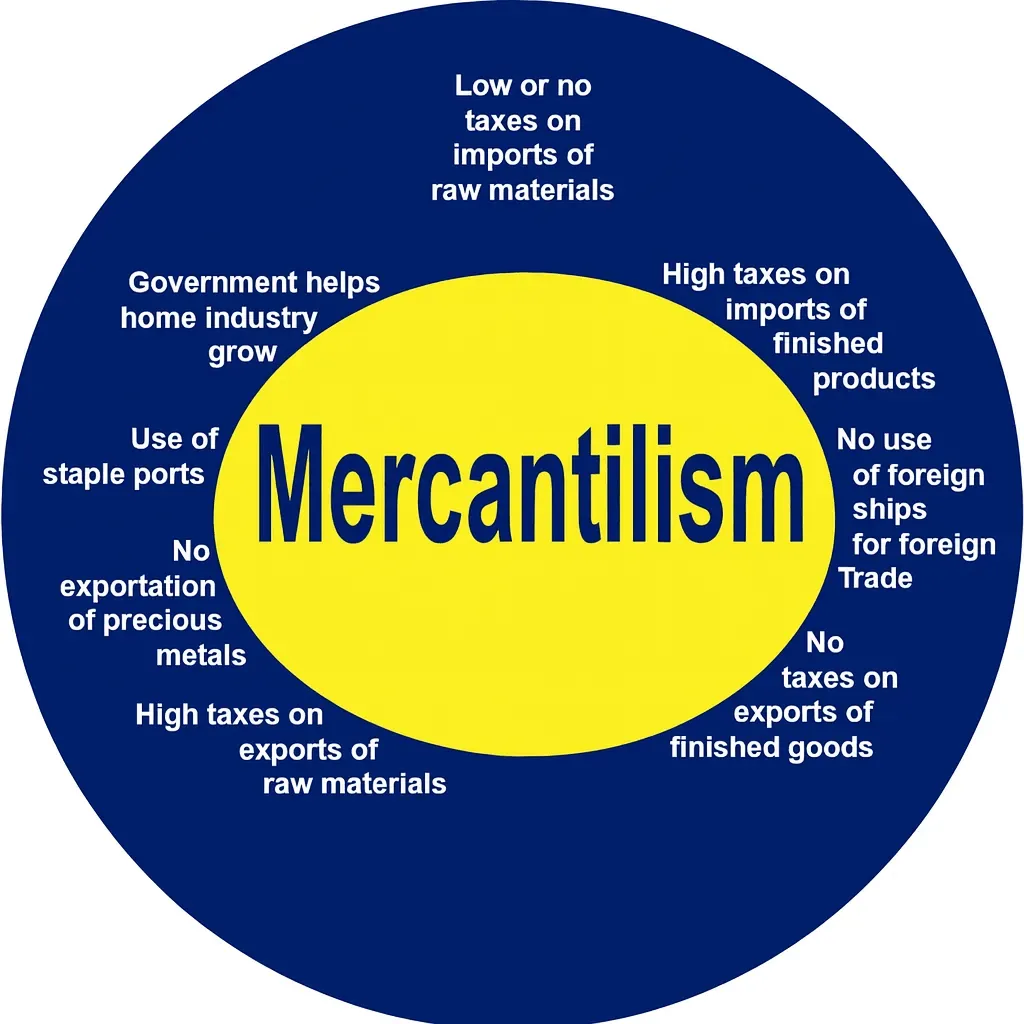
From a market structure perspective, the measure reinforces gold’s evolving function inside Russia as both a savings instrument and a transactional medium, particularly as traditional currency channels remain constrained.
While framed administratively, the policy aligns with a wider trend across sanctioned economies: the internalization of hard assets and the gradual shift toward alternative settlement mechanisms anchored in commodities.