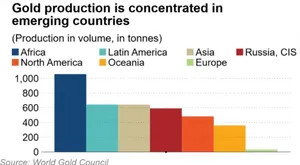
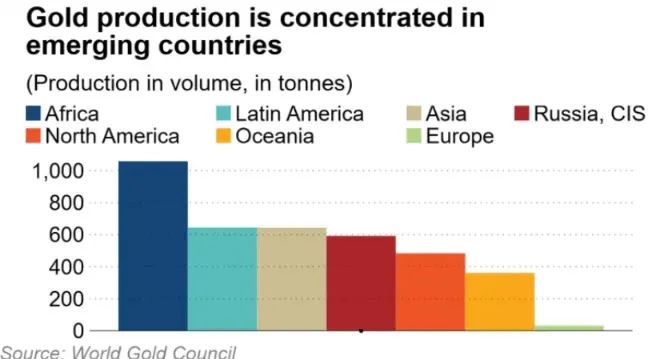
Gold-producing countries want more of the gold they mine to be refined, held and used at home. Indonesia taxes exports. China restricts gold leaving the country. Laos is building the facilities to process its own production. We have covered these policies because they change who gets the metal and who earns the money from it. Each government is protecting its resources and the businesses that depend on them.
Miki Kamiyama’s Nikkei Asia article, Asian gold producers begin hoarding domestic supplies after price rises, follows these policies across Asia and Africa, including the domestic buyers and facilities that make retaining gold possible.
Laos Wants the Refining Business
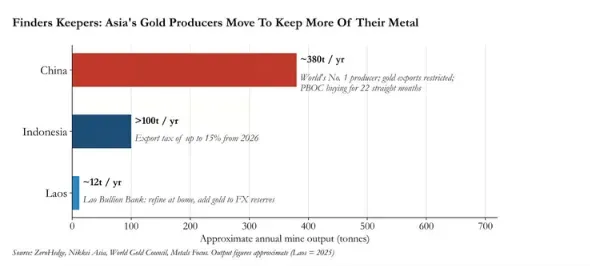
Laos mined about 12 tonnes of gold in 2025, according to the World Gold Council and Metals Focus, making it Asia’s sixth-largest producer. Authorities estimate reserves of 500 to 1,000 tonnes. Much of the gold has been leaving as ore, through both official channels and smuggling. The refining business goes with it.
The government has established a buyer and is building the processing capacity:
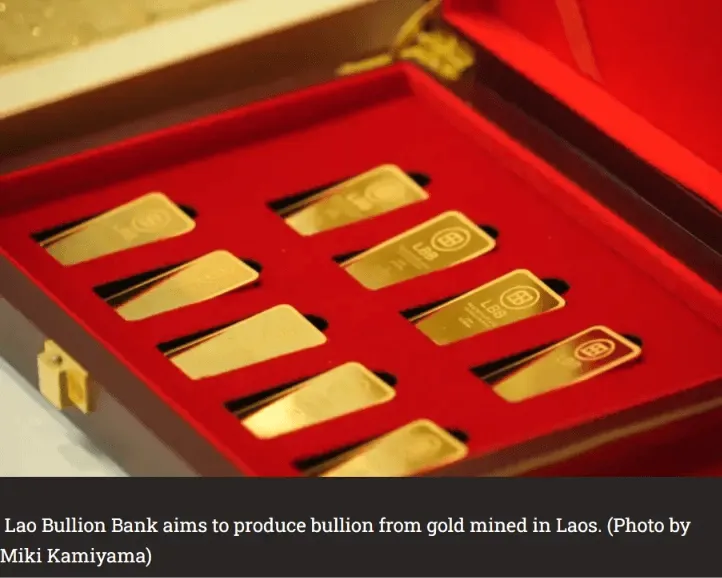
In 2024, the government established the Lao Bullion Bank, a specialized gold bank jointly capitalized by local companies.
It is using the institution as the hub of a rapid expansion of domestic precious-metals market infrastructure, including refining capacity.
The initiative aims to increase gold’s share in Laos’s foreign-exchange reserves, while giving citizens a trusted venue to buy and sell gold and preserve their savings.
The bank signed a memorandum of understanding with the Japan Bullion Market Association in January for help developing its precious-metals market. We covered the Hong Kong–Laos gold corridor agreement on July 20, 2026, linking qualified Lao owners with Hong Kong refining and clearing facilities. Laos is choosing foreign partners as it builds its own capacity.
For us, the important change is what happens after the mine. Ship ore abroad and someone else gets paid to refine it. Produce bullion locally and the processing income stays home. The bar can then go to a citizen saving in gold, to the central bank or to an overseas buyer. Laos gets a say in where its production goes after extraction.
The Tax Changes the Export Decision
Indonesia produces more than 100 tonnes annually, yet domestic supply falls short of investment demand. Nikkei reports an export tax of up to 15%, effective from 2026. We covered the announcement in Breaking: Indonesia Tariffs Gold Exports on November 17, 2025. Less-refined products faced higher levies to encourage processing at home.
The exporter has to compare what is left after tax with what a domestic buyer will pay. Keep the foreign price unchanged and the tax reduces the proceeds from exporting. A local buyer can then compete without matching the full overseas price. That is how the government makes keeping gold at home more attractive.
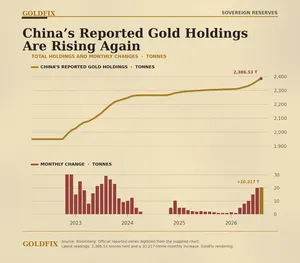
China produces a little over 380 tonnes a year, roughly a tenth of global mine output, and still imports substantial quantities. Nikkei describes restrictions on taking gold out of the country and records a 20-tonne PBoC addition in August, its 22nd consecutive month of net purchases. China has both an official buyer adding to reserves and restrictions on metal leaving.
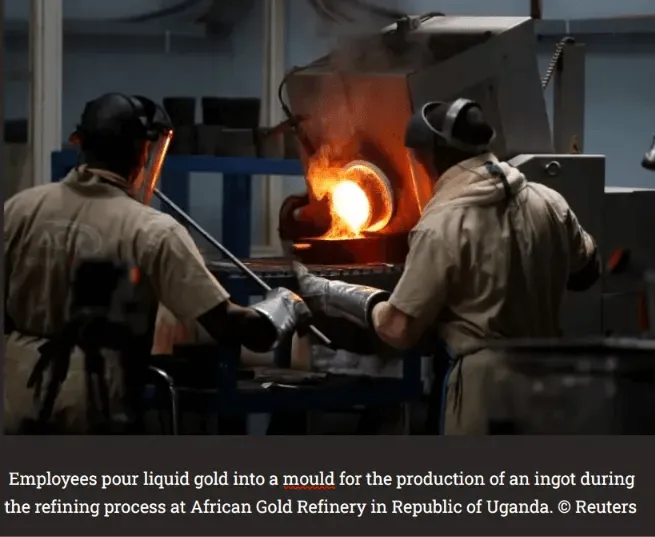
Madagascar’s central bank buys domestic production through official channels. Ghana is working with the WGC to curb illegal mining and improve gold supply chains. Both want more of the benefit from their own resources, though the effect on trade differs. A central-bank purchase retains metal. Bringing unofficial production into legal channels can increase the gold available through legitimate trade.
We would keep that distinction in mind when judging the supply effect. A new refinery can earn domestic income and still export every bar it produces. Foreign supply tightens when restrictions or competing domestic purchases reduce what leaves. The mine can produce just as much gold while an overseas refiner receives less of it.
Who Holds the Reserves?
Kamiyama connects reserve buying to sanctions:
One reason producing countries are taking a closer look at their own gold is waning confidence in the U.S. dollar as the world’s reserve currency.
Dollar-denominated assets belonging to countries at odds with Washington have been frozen under sanctions, reinforcing the view that excessive dependence on the currency carries risks.
“As the dollar-centered structure of global financial markets comes under scrutiny, gold is gaining importance as an asset insulated from the political and fiscal policies of any single country,” said Geullim Yum, director of Japan foreign exchange and commodity sales at banking multinational ANZ.
Our June 24, 2026 Thesis: China’s RMB Internationalization via Gold Collateral, developed with Eric Yeung, examined how gold could support financing. A lender needs to know who owns the bar, where it is held and how ownership can be transferred. Refining and gold-banking facilities help put those arrangements in place. Lending against the metal would be a further step.
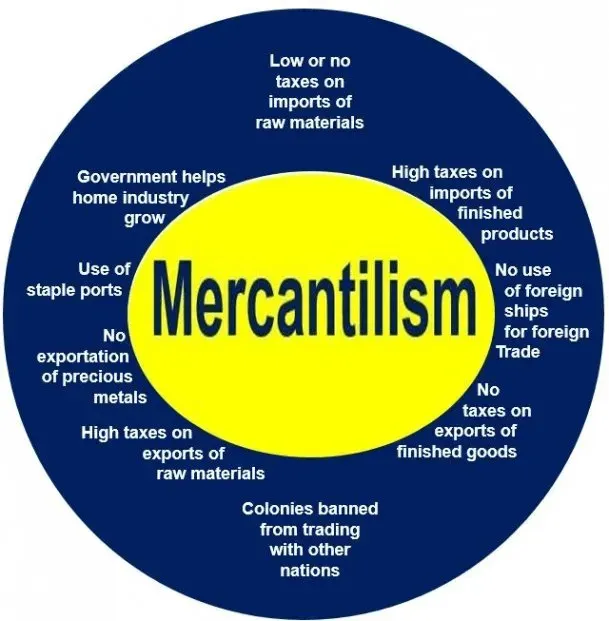
We see mercantilism in these decisions. The government protects the resource, encourages domestic industry and uses taxes or restrictions to influence trade. A country with its own refinery and domestic buyers has less reason to accept whatever terms a foreign buyer offers. Protectionism gives those local businesses room to develop.
The Refiner Feels It First
Metals Focus’s Nikos Kavalis describes the effect on refiners:
“From the perspective of major international refiners … absolutely this trend will have an impact on their ability to source,” said Nikos Kavalis, the Singapore-based managing director of Metals Focus.
The refiner has to replace lost feedstock or offer better terms to obtain it. Inventories and recycled gold can meet some of the demand while new production is retained. We would look for persistent difficulty sourcing metal before treating these policies as a cause of higher global prices.
Rates Still Matter
Nikkei records gold at $4,110 on September 28, roughly 12% below its late-August high near $4,700. The September Fed hike and expectations of further tightening were weighing on the price. Kamiyama keeps both time horizons in view:
In situations like the current one in the U.S., where multiple rate hikes are expected, downward pressure on gold prices is likely to persist until the ultimate level of the policy rate becomes clear.
Viewed from a longer-term perspective, however, structural factors that could support gold prices continue to build beneath the surface. Resource nationalism among gold-producing countries and waning confidence in the dollar as the world’s reserve currency are among the forces reshaping the market.
We would watch how much gold leaves these countries, how much their central banks buy and how much their own refiners process. Steady mine output accompanied by falling exports would show that more production is staying home. The foreign buyer would then have to compete with what the producing country is prepared to pay, or accept less metal.