The Netherlands Is Relocating Its Gold Out of The US for a Crisis
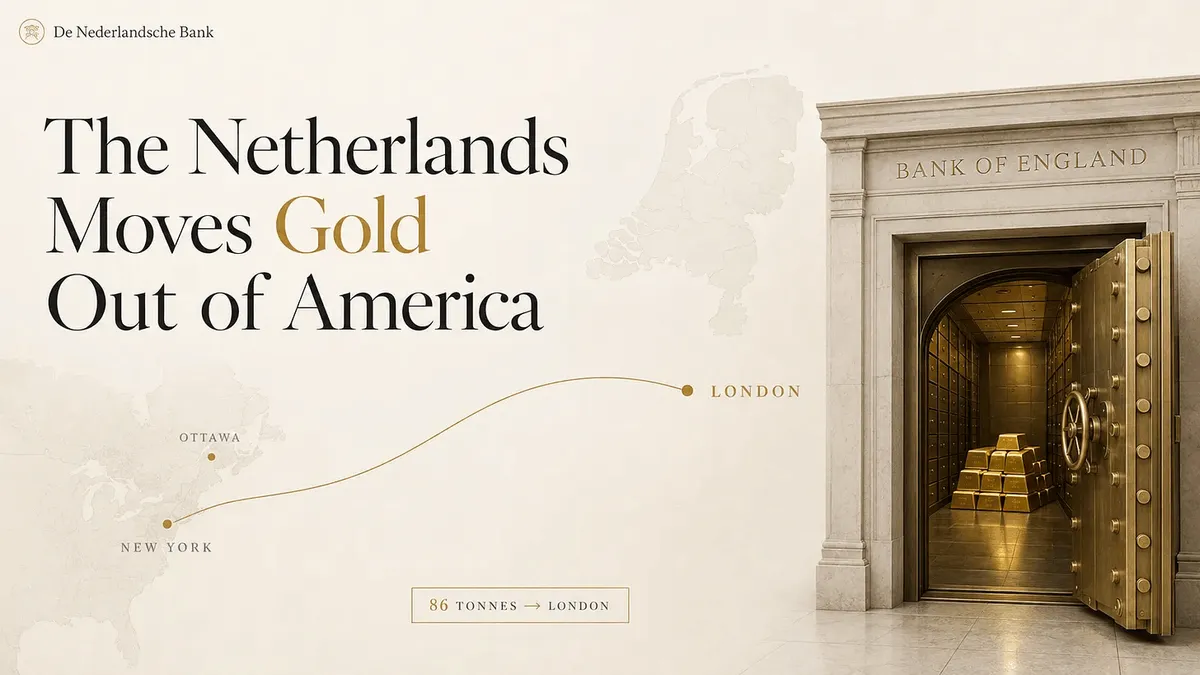
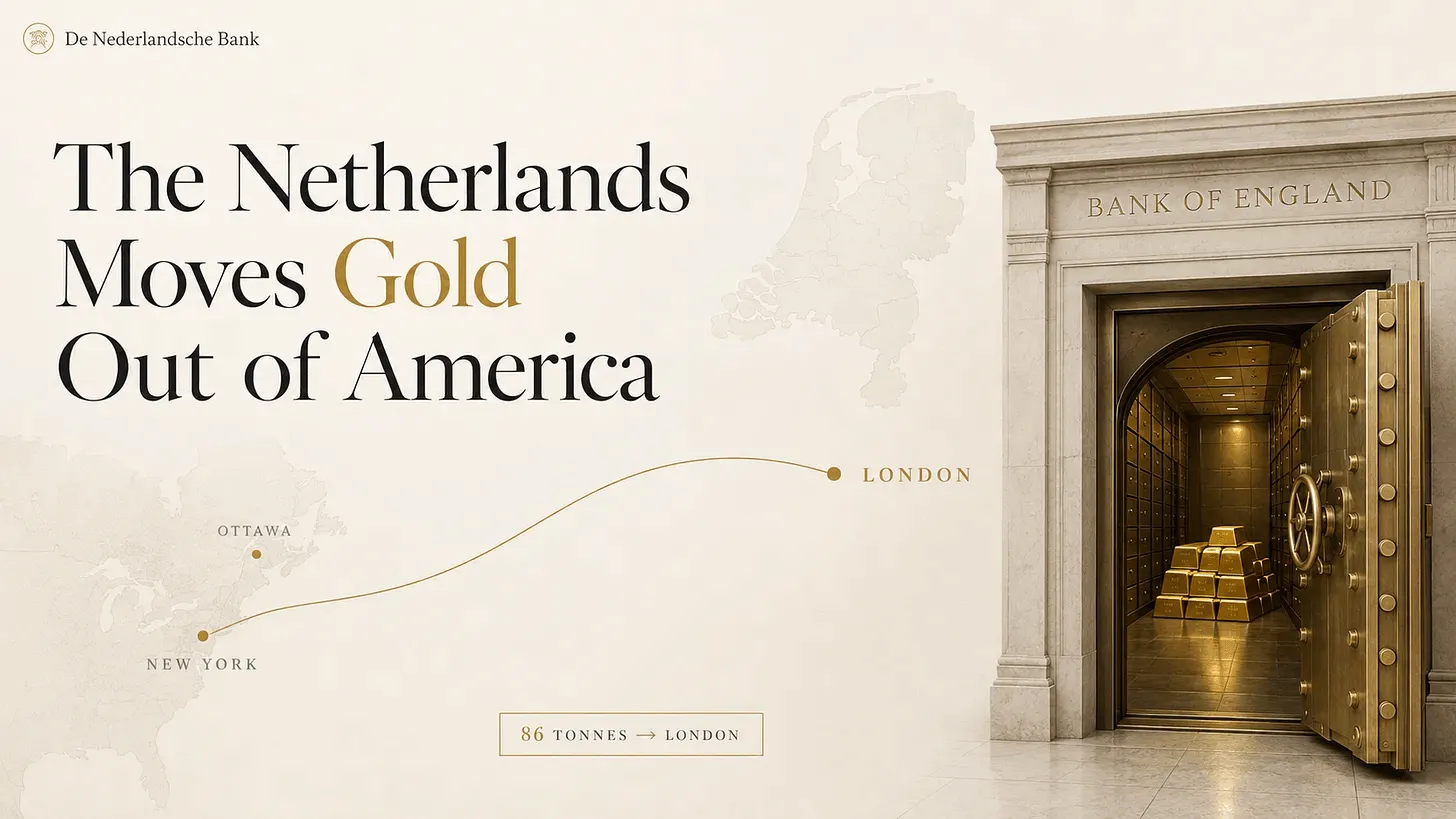
The Dutch central bank’s decision to relocate roughly 86 tonnes of gold is less about repatriation than readiness. De Nederlandsche Bank has shifted bullion previously held in the United States and Canada toward London, arguing that rising geopolitical tensions require reserves to be positioned where they can be mobilized quickly. The move reflects a broader reassessment among central banks: owning gold is important, but its location, legal accessibility and market liquidity matter just as much.
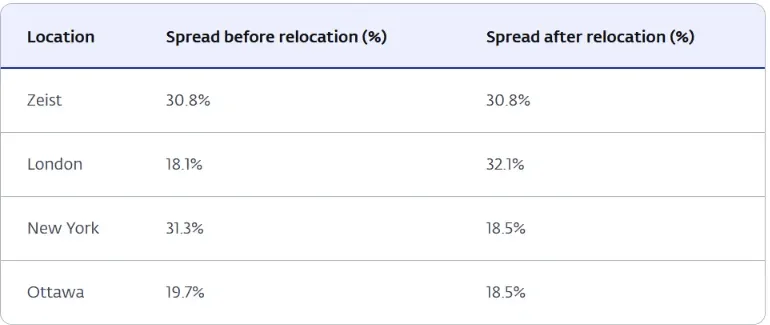
London now holds 32.1% of the Netherlands’ 612.4-tonne gold reserve, up from 18.1%. New York and Ottawa each hold 18.5%, while another 30.8% remains inside the Netherlands. This remains a geographically diversified reserve structure, but the balance has shifted decisively toward the world’s largest institutional bullion-trading center.
“In view of increasing geopolitical unrest, DNB is strengthening its crisis preparedness.”
The mechanics are also important. Most of the gold was not physically shipped directly from North America to Britain. DNB sold approximately 59 tonnes in New York and purchased an equivalent amount in London. More than 27 tonnes were transported from North America to the bank’s facility in Zeist, while a similar quantity of internationally tradable bullion was transferred from Zeist to London.
That distinction reveals the purpose of the operation. This was not simply about bringing gold closer to home. It was about increasing the portion that meets international trading standards and can be sold, swapped or pledged rapidly during a financial emergency. Gold stored domestically may provide sovereignty and physical security, while gold held in London provides immediate access to deep liquidity.
DNB Governor Olaf Sleijpen made the objective explicit: “With this relocation, we have improved the tradability of our gold reserves.” The bank does not expect to use the bullion, but it wants the ability to do so if markets, currencies or payment systems come under severe stress.
That is modestly positive for the gold investment case. DNB is treating bullion as usable strategic liquidity rather than a ceremonial legacy reserve. Its decision reinforces gold’s role as an asset held outside the credit system, capable of retaining value and providing collateral when confidence in currencies, sovereign debt or financial counterparties deteriorates. It also suggests that official institutions expect geopolitical fragmentation and market instability to remain persistent concerns.

The move does not guarantee higher gold prices, nor does it represent a new Dutch purchase. It does, however, validate the underlying reason investors own gold: protection against outcomes that conventional portfolios are not designed to absorb.
The Dutch decision therefore carries a wider message. Central banks are no longer treating gold as a passive asset sitting untouched in distant vaults. They are organizing it as strategic financial collateral. Gold remains an “anchor of trust,” but in a crisis, that trust must also be accessible, tradable and close at hand.