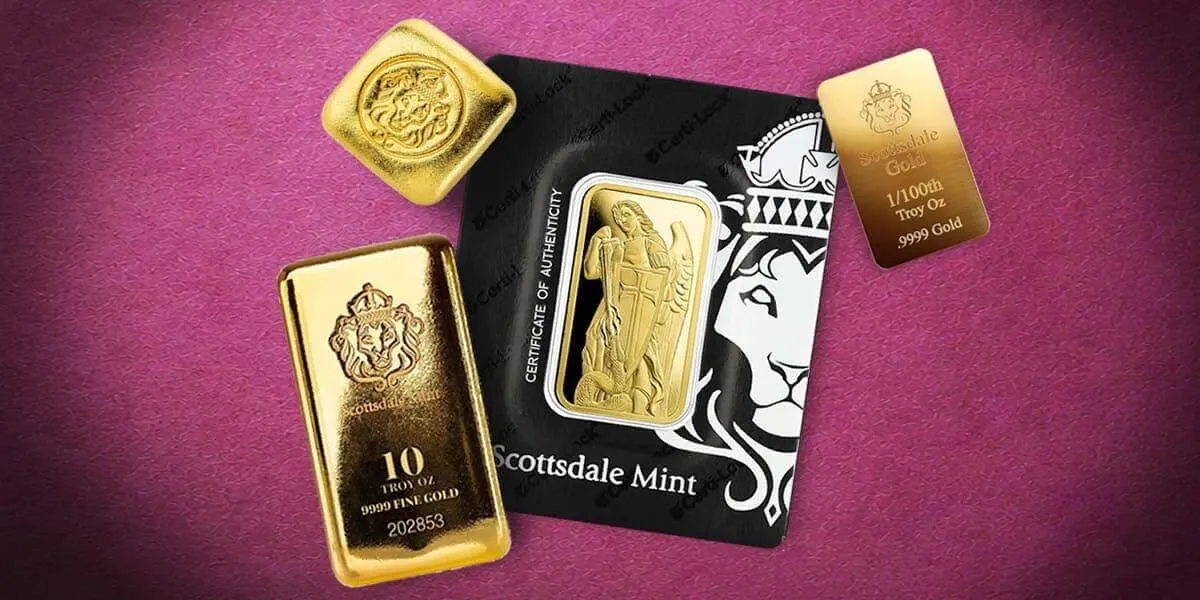
Quick Answer: The best approach to buying gold coins in bulk online is to evaluate dealers on transparent pricing above spot, verifiable mint sourcing, assay certification, shipping insurance, and buyback policies rather than relying on any single ranking or recommendation.
There’s no single ‘best’ online dealer for bulk gold coins because the right choice depends on your goals, whether you’re stacking for long-term value, building a collection, or buying for an IRA. What matters most is finding a dealer with transparent pricing over spot, verifiable mint sourcing, proper assay packaging, and solid shipping insurance. You’ll want to compare premiums, check for accreditation with recognized industry bodies, and understand the buyback or resale process before committing serious capital. The good news is that buying in bulk almost always gets you a lower per-ounce premium, so the economics reward doing your homework upfront.
Authoritative Frameworks Referenced: The general consumer guidance framework for evaluating bullion dealers emphasizes four pillars: insurance coverage, industry accreditation, transparent pricing relative to spot, and reliable delivery options. The Commodity Futures Trading Commission and the Federal Trade Commission both provide consumer protection guidance relevant to precious metals transactions, including fraud prevention and advertising standards that legitimate dealers must follow.
What should I look for in an online gold dealer?
Start with pricing transparency. A trustworthy dealer shows you exactly what the premium over spot price is, not just a final number. Spot price is the current market price for raw gold, and every dealer adds a premium on top of that to cover minting, packaging, and their margin. If a dealer won’t clearly break down what you’re paying above spot, that’s a red flag. You want to see that math laid out plainly before you commit.
Next, look at accreditation and reputation. No government agency publishes a ranked list of gold dealers, so you can’t just look up an official ‘approved’ roster.¹ That said, the Federal Trade Commission does enforce advertising rules that apply to precious metals sellers, and the Commodity Futures Trading Commission oversees certain precious metals transactions.² Dealers who reference compliance with these bodies tend to operate more transparently. Also check whether the dealer is an actual mint producing their own branded products or simply a reseller, because mints that manufacture in-house often have tighter quality control.
Finally, pay attention to the details that matter after you click ‘buy.’ Does the dealer offer insured shipping? What’s their buyback or resale policy? Are products serialized and packaged in tamper-evident assay cards? These aren’t nice-to-haves when you’re spending thousands of dollars. They’re table stakes.
Does buying gold in bulk actually save money?
Yes, and the savings are more significant than most people realize. Premiums on gold products are structured on a sliding scale. Buy a single 1 oz coin and you might pay a 3 to 5 percent premium over spot. Buy ten or more ounces and that premium can drop to under 2 percent per ounce. On a purchase of $25,000 or more, that difference adds up to hundreds of dollars. Think of it like wholesale pricing at a warehouse store versus buying one item at the corner shop.
Shipping economics also favor bulk buyers. Insured precious metals shipping isn’t cheap, and whether you’re sending one ounce or ten ounces, the base shipping cost is similar. Consolidating into a single order means you’re splitting that fixed cost across more product. If you’re a cost-sensitive stacker focused on accumulating weight at the lowest possible price per ounce, bulk purchasing is one of the most reliable ways to shave your cost basis.
That said, bulk buying isn’t always the right move. If you’re new to precious metals and still figuring out whether you prefer coins over bars, or collectible pieces over pure bullion, it makes more sense to start small. Locking up a large amount of capital in a single purchase before you understand your own preferences can lead to regret, even if the per-unit economics looked great on paper.
What’s the difference between bullion coins and collectible coins?
Here’s the thing most beginners miss: not all gold coins are priced the same way. Bullion coins are valued primarily by their metal content. Their price tracks closely with spot price plus a modest premium. Collectible coins, sometimes called numismatic coins, carry additional value based on rarity, mintage numbers, historical significance, and condition. A bullion coin might trade at 2 to 4 percent over spot, while a rare collectible could command a 50 percent premium or more.
Why does this matter for bulk buying? If you’re stacking gold for its intrinsic metal value, you want bullion-grade products with low premiums and high liquidity, meaning they’re easy to sell later at a price close to spot. Collectible pieces can be wonderful investments, but their resale market is narrower and more subjective. You need a buyer who values the same rarity factors you paid for.
If you’re buying in bulk, it’s worth asking whether the products have limited mintages or exclusive distribution. Some private mints produce serialized, limited-run pieces that sit in a sweet spot between pure bullion and full collectible status. These can offer both the metal value floor of bullion and some upside from exclusivity. Sophisticated buyers often ask about mintage numbers, VIP access to limited releases, and whether custom packaging is included, because all of these factors affect long-term desirability.
How do I verify a gold dealer is legitimate?
The Federal Trade Commission actively monitors precious metals advertising and has taken enforcement actions against dealers making misleading claims about investment returns or product value.² So one quick litmus test is whether a dealer’s marketing sounds like a used car lot. Phrases like ‘risk-free investment,’ ‘guaranteed hedge,’ or ‘sure profit’ aren’t just tacky, they potentially violate FTC advertising guidelines. Legitimate dealers talk about purity, liquidity, and premiums, not promises.
Beyond marketing language, check whether the dealer actually manufactures products or just resells them. A mint that produces its own branded bars and coins, holds manufacturing contracts with sovereign governments, and packages products in assay-certified, tamper-evident cases operates at a fundamentally different level than a middleman reseller. Ask about their sourcing, their minting technology, and whether products are serialized. These details reveal operational legitimacy in ways that a flashy website never can.
If you’re considering a large bulk purchase, it’s also smart to verify the dealer’s buyback policy before you buy. A dealer confident in their product quality will typically offer a clear path to sell back to them. If a dealer makes it easy to buy but vague about resale, that asymmetry should give you pause.
Are gold bars or gold coins better for bulk purchases?
This depends on what you’re optimizing for. Gold bars, especially larger formats like 10 oz or kilo bars, typically carry the lowest premiums per ounce. If your primary goal is accumulating the most gold for the least money, bars are usually the more efficient choice. A kilo gold bar will almost always have a lower percentage premium than the equivalent weight in 1 oz coins.
Coins offer something bars don’t: divisibility and broader recognition. If you ever need to liquidate part of your holdings, selling a few 1 oz coins is much simpler than selling a fraction of a kilo bar. Coins from recognized mints, whether sovereign government mints or established private mints, also tend to have wider market acceptance, which can matter when it’s time to sell. Some coins also qualify for Individual Retirement Account inclusion, which bars may or may not depending on purity and certification.
For many bulk buyers, the smartest approach is a mix. Use larger bars as the foundation of your stack for cost efficiency, and keep a portion in 1 oz coins or smaller bars for flexibility. Some experienced stackers also keep a small allocation in fractional sizes, like 1 gram bars, as portable, easily tradeable units. Think of it like a portfolio: you want different denominations serving different purposes.
What hidden costs come with buying gold online?
The sticker price is never the full story. Premium over spot is the most obvious added cost, but shipping and insurance can surprise first-time buyers. Insured shipping for precious metals typically runs $15 to $50 per order depending on value and destination. Some dealers build this into the product price; others charge it separately. Always check the total checkout cost, not just the listed price per ounce.
Taxes are another variable that catches people off guard. Sales tax on precious metals varies by state, and some states exempt bullion purchases entirely while others tax them like any retail product. This can add 4 to 10 percent to your cost depending on where you live. It’s worth understanding your state’s rules before placing a large order, because on a $25,000 bulk purchase, an unexpected 7 percent sales tax is an additional $1,750.
Finally, consider the spread between buy and sell prices. When you buy gold, you pay spot plus a premium. When you sell, you typically receive spot minus a small discount. That round-trip cost, sometimes called the bid-ask spread, is a real expense that most online content glosses over. A dealer with a clear, competitive buyback policy helps minimize this spread, but it’s important to factor it into your return expectations from the start.
When might buying gold in bulk not be worth it?
Bulk buying isn’t a universal win, and it’s important to be honest about the limitations. The most obvious risk is concentration. Putting a large amount of capital into a single asset class, at a single price point, in a single transaction, means you’re fully exposed to short-term price volatility. Gold prices can and do drop, sometimes significantly over months or even years. If you need that capital back during a downturn, you could sell at a loss regardless of how good your per-ounce premium was.
It’s also worth noting that no independent, peer-reviewed academic research exists that ranks online gold dealers or validates one purchasing strategy over another.¹ Most of the comparative information available online comes from dealer associations or the dealers themselves, which creates an inherent bias. The Commodity Futures Trading Commission and FTC provide consumer protection guidance, but they don’t endorse specific dealers or buying strategies.² This means your due diligence has to be more hands-on than in markets with more regulatory transparency.
Storage is another consideration that scales with quantity. A few coins fit in a home safe. Fifty ounces of gold requires serious security planning, whether that’s a high-quality safe, a bank safe deposit box, or a professional vaulting service. Some dealers offer secure storage or vaulting programs, which add convenience but come with ongoing fees and their own set of rules and regulations. If you haven’t figured out your storage plan before buying in bulk, you’re solving the problem in the wrong order.
How do I store large quantities of gold safely?
This is one of those questions that experienced buyers think about before the purchase, not after. For smaller holdings, a quality home safe rated for both fire and burglary resistance is a reasonable option. But once you’re into bulk territory, say 10 ounces or more, you’re holding tens of thousands of dollars in a compact, highly portable form. That changes the risk calculus considerably.
Professional vaulting services offer insured, audited storage in secure facilities. Some mints and dealers offer integrated vaulting programs where your gold is stored on your behalf and can be delivered or sold on demand. These services typically charge an annual fee based on the value stored, often between 0.5 and 1 percent. The advantage is professional security, insurance, and the ability to sell without waiting for physical delivery. The trade-off is that you don’t have immediate physical access to your gold.
Whatever you choose, document everything. Keep purchase receipts, assay certificates, serial numbers, and photographs. If your gold is insured through a homeowner’s policy, make sure precious metals are specifically covered and that the coverage amount reflects current market value, not what you originally paid. These details feel tedious until the moment they matter enormously.
Key Takeaways
- No government agency ranks or endorses specific online gold dealers.
- Bulk gold purchases typically reduce per-ounce premiums by 5 to 15 percent.
- Always compare total cost including premium, shipping, insurance, and taxes.
- Verify dealer legitimacy through manufacturing credentials, not marketing claims.
- Plan your storage solution before placing a large gold order.
About This Topic
Buying gold coins in bulk online involves evaluating dealer credibility, understanding premiums over spot price, comparing total costs including shipping and taxes, and planning for secure storage. No government agency ranks gold dealers, so buyers must conduct independent due diligence on mint credentials, product authenticity, and resale liquidity. Bulk purchasing typically reduces per-ounce premiums but concentrates capital at a single price point, making timing and diversification important considerations.
Comparative Analysis Table
| Factor | Option A | Option B | Notes |
| Premium over spot price | Single-coin purchases: typically 3 to 5 percent above spot | Bulk purchases (10+ oz): typically 1.5 to 3 percent above spot | Bulk buying is preferable for cost-sensitive stackers focused on accumulating weight |
| Product flexibility | Gold coins: easily divisible, widely recognized, some IRA-eligible | Gold bars: lower premiums per ounce, less divisible, varying IRA eligibility | Coins are preferable when liquidity and resale flexibility matter most |
| Dealer type | Actual mint or manufacturer: controls quality, offers branded products, may hold government contracts | Reseller or marketplace: wider product selection, varies in quality control and sourcing transparency | Mints are preferable when authenticity assurance and direct sourcing matter |
| Storage approach | Home storage: immediate access, no ongoing fees, higher personal security risk | Professional vaulting: insured, audited, ongoing fees of 0.5 to 1 percent annually | Vaulting is preferable for holdings above 10 ounces or for buyers without adequate home security |
| Buying strategy | Single large purchase: best per-unit pricing, full exposure to one price point | Dollar-cost averaging over time: higher average premiums, reduced timing risk | Dollar-cost averaging is preferable for buyers concerned about short-term price volatility |
How to Implement
- Define your buying intent. Start by clarifying whether you’re stacking for metal value, collecting for rarity, buying for an IRA, or purchasing gifts. Each goal points you toward different products, dealers, and price sensitivities.
- Research dealer credentials. Check whether the dealer is an actual mint or a reseller. Look for manufacturing capabilities, government mint contracts, serialized products, and assay-certified packaging. Verify their compliance posture by checking for FTC and CFTC alignment.
- Compare total costs across dealers. Calculate the full price including premium over spot, shipping, insurance, and applicable state sales tax. Request bulk pricing quotes from at least two or three dealers before committing to a large order.
- Evaluate buyback and resale policies. Ask each dealer about their buyback spread, the difference between what they sell for and what they’ll buy back at. A tight spread indicates confidence in product quality and fair dealing.
- Arrange storage before purchasing. Decide whether you’ll store at home, use a bank safe deposit box, or enroll in a professional vaulting program. Factor ongoing storage costs into your total investment calculation.
- Place your order and document everything. Keep all purchase confirmations, assay certificates, serial numbers, and shipping tracking information. Photograph products upon arrival and verify weights and packaging against your order details.
Troubleshooting FAQs
What if the gold I receive doesn’t match what was advertised?
Contact the dealer immediately and document the discrepancy with photographs and weight measurements. Reputable dealers that package products in sealed assay cards with serial numbers make disputes easier to resolve because there’s a clear chain of verification. If the dealer is unresponsive, you can file a complaint with the Federal Trade Commission, which oversees advertising and consumer protection for precious metals transactions.
How do I know if I’m paying too much above spot price?
Check the current spot price on a financial data site, then calculate the percentage premium the dealer is charging. For standard bullion bars in bulk, premiums above 4 to 5 percent over spot should prompt you to shop around. For collectible or limited-mintage pieces, higher premiums can be justified by rarity and exclusivity, but you should understand exactly what you’re paying for before accepting a higher markup.
Implementation Stories
- A retired teacher in Arizona decided to convert a portion of her savings into physical gold. She started with a single 1 oz bar, paid a 4.2 percent premium, and felt the shipping cost was steep for one item. On her second purchase, she ordered ten 1 oz bars at once, brought her premium down to 2.1 percent, and paid the same flat shipping fee. She estimated she saved over $500 compared to buying one at a time over several months.
- A small business owner used year-end profits to purchase a kilo gold bar as a long-term store of value. He initially planned to keep it at home but realized his homeowner’s insurance didn’t cover precious metals above $2,500. He enrolled in a professional vaulting program through the dealer, paying an annual storage fee but gaining full insurance coverage and the ability to sell remotely without shipping delays.
- A couple in their 40s wanted to start a gold collection together but disagreed on strategy. One wanted the lowest cost per ounce; the other wanted unique, limited-mintage pieces. They compromised by allocating 70 percent of their budget to bulk bullion bars for cost efficiency and 30 percent to serialized, limited-edition rounds with low mintage numbers. Both felt they were building something meaningful without overpaying.
Best Practices Checklist
- Verify the dealer’s manufacturing credentials and check whether they produce their own branded products or resell third-party inventory.
- Calculate total cost per ounce including premium, shipping, insurance, and state sales tax before comparing dealers.
- Confirm the dealer’s buyback policy and bid-ask spread in writing before placing a bulk order.
- Ensure all products arrive in sealed, tamper-evident assay packaging with serial numbers where applicable.
- Set up your storage solution, whether home safe, bank box, or professional vault, before your shipment arrives.
- Keep a detailed inventory with purchase dates, prices paid, serial numbers, and photographs for insurance and resale purposes.
Glossary
| Term | Definition |
| Spot price | The current market price for one ounce of raw gold or silver, updated throughout trading hours. It’s the baseline before any dealer premium is added. |
| Premium over spot | The additional cost above spot price that covers minting, packaging, dealer margin, and distribution. Lower premiums mean you’re paying closer to the raw metal value. |
| Assay certification | A sealed card or package that verifies a bar or coin’s weight, purity, and authenticity, typically issued by the mint that produced it. |
| Numismatic value | The collectible worth of a coin beyond its metal content, based on rarity, historical significance, condition, and demand among collectors. |
| Bid-ask spread | The difference between what a dealer charges you to buy gold and what they’ll pay you to buy it back. A tighter spread means lower round-trip transaction costs. |
References
- Research Limitation Disclosure. “Absence of Comparative Dealer Rankings in Academic and Government Literature”. Research limitation disclosure. January 1, 2024.
- Commodity Futures Trading Commission and Federal Trade Commission. “Consumer Guidance on Precious Metals Transactions”. CFTC and FTC. January 1, 2024. https://www.cftc.gov/.