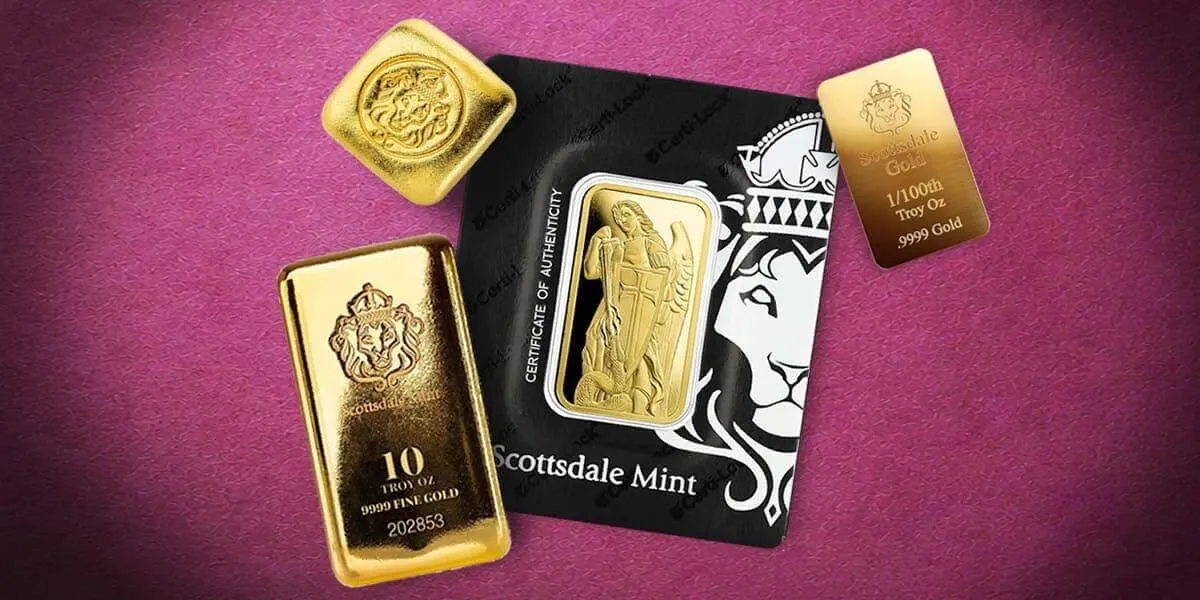
Quick Answer: True spot-price gold purchases are rare and typically limited to small promotional quantities for first-time customers. Most retail buyers should expect to pay a premium of 3% to 10% above spot, which in 2026 means paying roughly $4,840 to $5,720 per ounce depending on product format and dealer.
Here’s the honest answer: buying gold at exactly spot price is extremely difficult for retail buyers, and any deal that claims otherwise usually comes with significant strings attached. You can find promotional offers from reputable dealers that sell small quantities at or near spot, but these are loss-leaders designed to earn your future business. The real question isn’t whether you can find spot-price gold, but rather how to minimize the premium you pay above spot when you’re ready to buy.
Authoritative Frameworks Referenced: The Spot Price vs. Retail Price Framework is essential here, distinguishing between the wholesale institutional price you see quoted online and the retail price that includes manufacturing, distribution, and dealer margins. A Total Cost of Ownership Model also applies, factoring in not just the purchase premium but shipping, insurance, storage, and tax implications. Finally, the Dealer Verification Protocol recommended by the Commodity Futures Trading Commission outlines steps including registration checks, review verification, and red-flag identification to protect buyers from fraud.
What’s the difference between spot price and what I actually pay?
Think of spot price like the wholesale cost of lumber. Just because a two-by-four costs a mill $3 to produce doesn’t mean you’ll pay $3 at the hardware store. Gold spot price is the current market rate for raw, unprocessed gold traded in bulk between institutions. It’s the number you see flashing on financial news tickers, and in 2026 it’s been hovering between $4,700 and $5,200 per ounce, with an intraday record above $5,405 hit on January 29, 2026.¹
The price you actually pay at retail includes a premium on top of spot. That premium covers the cost of refining the gold, minting it into a specific shape, assaying and packaging it, shipping it securely, and giving the dealer a margin to stay in business. For larger bars, premiums typically run 3% to 5% above spot. For smaller coins or specialty rounds, you might see 7% to 10% or more. So if spot is $5,000, you’re realistically paying $5,150 to $5,500 depending on what you buy.
Here’s the thing most online content glosses over: premiums aren’t just a markup. They also affect your resale value. When you sell, you’ll typically get spot price or slightly above for recognized products, which means you need gold to appreciate enough to cover the premium you paid before you break even. That’s why minimizing premiums matters so much.
Do spot-price gold deals actually exist?
They do, but they come with catches you should understand upfront. Several reputable online dealers run promotions where first-time customers can purchase a small amount of gold, usually one ounce or less, at or very near spot price. Price comparison platforms that aggregate deals across multiple dealers can help you find these offers in real time.²
The catch is that these deals are almost always limited to one purchase per household, and they’re capped at small quantities. A dealer selling you gold at spot is losing money on that transaction once you factor in minting, packaging, and shipping costs. They’re betting you’ll come back and buy more at regular premiums. It’s the precious metals equivalent of a free trial.
If you’re a first-time buyer looking to dip your toes in, these promotions are genuinely useful. But if you’re planning to invest $10,000 or more, a spot-price deal on a single ounce is a nice bonus, not a strategy. Your focus should be on finding consistently competitive premiums across larger orders rather than chasing one-time loss leaders.
What gold format gives me the lowest premium?
Bars almost always carry lower premiums than coins or rounds, and larger bars carry lower premiums than smaller ones. That’s because the manufacturing cost per ounce drops significantly as the size goes up. Pouring a single kilo bar costs a mint far less per ounce than striking a hundred individual one-gram pieces. If you’re purely cost-sensitive, a kilo bar or a 10-ounce bar in assay packaging will typically get you the most gold for your dollar.
That said, format isn’t just about premiums. Liquidity matters too. If you need to sell quickly, a one-ounce bar from a recognized private mint with serialized assay packaging is far easier to move than a kilo bar, simply because more buyers can afford it. Selling a kilo of gold at $5,000-plus per ounce means finding someone with $160,000-plus in cash. Selling a one-ounce bar means finding someone with $5,000.
If you’re a cost-conscious stacker building a position over time, consider a mix: larger bars for the bulk of your holdings to minimize premiums, and a few one-ounce bars or rounds for liquidity when you need to sell a portion without liquidating everything. It’s the precious metals version of not putting all your eggs in one basket.
How is physical gold taxed differently than stocks?
This is one of the most overlooked costs of owning physical gold, and it can significantly affect your net returns. Under current IRS regulations, physical gold is classified as a collectible, which means long-term capital gains are taxed at a maximum rate of 28%. Compare that to long-term capital gains on stocks, which max out at 20%.⁶ That’s an 8-percentage-point difference that eats directly into your profit.
Let’s make that concrete. Say you bought an ounce of gold at $4,500 and sold it a year later at $5,500. Your $1,000 gain would be taxed at up to 28%, leaving you with $720 after federal taxes. If you’d made the same $1,000 gain on a stock, you’d keep $800. Over multiple transactions or larger positions, that gap adds up fast.
There are ways to mitigate this. Holding gold within a self-directed IRA can defer or eliminate those taxes depending on the account type. But not all gold products qualify for IRA inclusion, so you need to verify eligibility before purchasing. And tax laws can change, so what works today might look different in a few years. This isn’t financial advice, just a reality check that the sticker price of gold isn’t the only cost you need to plan for.
How do I know if a gold dealer is legitimate?
The precious metals space has its share of bad actors, and the Commodity Futures Trading Commission has issued specific warnings about fraud in this market.⁷ The good news is that vetting a dealer isn’t complicated if you know what to look for. Start by checking whether the dealer is registered with the CFTC or relevant state regulators. Look for established business history, verified customer reviews across multiple platforms, and clear published pricing that shows you the exact premium above spot before you commit.
Red flags include high-pressure sales tactics, claims that gold is a guaranteed or risk-free investment, reluctance to show transparent pricing, and unsolicited phone calls pushing you to buy immediately. If a dealer sounds like they’re selling used cars instead of precious metals, that tells you everything you need to know. Legitimate dealers educate; they don’t pressure.
Also pay attention to what a dealer offers beyond the sale itself. Do they provide assay-certified packaging? Serialized products? Buyback programs with published spreads? Secure storage or vaulting options? These details separate serious operations from fly-by-night shops. A reputable private mint that manufactures its own products and also holds contracts with sovereign government mints has a level of credibility that a reseller simply can’t match.
What about storage and insurance for physical gold?
Here’s something that catches a lot of new buyers off guard: standard homeowners insurance policies typically cover only about $250 in precious metals losses.⁸ If you’ve got $10,000 or $50,000 in gold sitting in a home safe, you’re essentially self-insuring the vast majority of that value. A house fire, theft, or natural disaster could wipe out your position with almost no recourse.
You have two main options. First, you can add a scheduled personal property rider to your homeowners or renters policy, which specifically covers your gold at its appraised value. This typically costs a few dollars per thousand in coverage annually but requires documentation and sometimes appraisals. Second, you can use professional vaulting services offered by established mints and dealers. These facilities carry their own insurance, provide segregated or allocated storage, and give you the peace of mind that your gold is secured in a purpose-built facility rather than a bedroom closet.
The cost of proper storage and insurance is real and should be factored into your total cost of ownership. If you’re holding $50,000 in gold, even a 0.5% annual storage fee means $250 per year. Over a decade, that’s $2,500 in costs that your gold needs to appreciate beyond just to break even. It doesn’t mean gold is a bad investment, but it means you should go in with eyes open about what ownership actually costs.
When might buying gold not be worth it?
Gold isn’t a magic bullet, and there are real scenarios where it might not serve you well. For starters, gold’s price volatility increased 46% year-to-date through January 2026.¹ Those record-breaking prices come with record-breaking swings, which means buying at the wrong time could leave you sitting on a loss for months or years before recovering. If you need the money within a short timeframe, gold’s volatility makes it a risky choice.
There’s also a narrative risk worth acknowledging. Some of the current demand is driven by de-dollarization stories suggesting that the U.S. dollar is losing its reserve currency status. While central banks are indeed buying gold, they’re also maintaining substantial dollar reserves. The World Gold Council data shows strong institutional demand,⁴ but that doesn’t validate every dramatic prediction you’ll read online. If you’re buying gold because you believe civilization is about to collapse, you might be making an emotional decision rather than a financial one.
Finally, remember that gold is a non-productive asset. It doesn’t generate earnings, pay dividends, or compound. If you’re in your twenties or thirties with decades of investing ahead, every dollar in gold is a dollar not compounding in equities. The historical case for gold is strongest as a portfolio diversifier and inflation hedge, not as a primary growth engine. Match your gold allocation to your actual financial situation, not to fear or hype.
Key Takeaways
- Spot-price gold deals exist but are limited to small quantities for new customers only.
- Retail gold premiums typically range from 3% to 10% above spot price.
- Physical gold is taxed at 28% as a collectible, not 20% like stocks.
- Larger bars carry lower premiums per ounce than small coins or rounds.
- Standard homeowners insurance covers only about $250 in precious metals.
About This Topic
Buying gold at spot price is one of the most searched questions among new precious metals investors, and for good reason. With gold prices reaching historic highs in 2026, understanding the gap between the spot price you see quoted online and the retail price you actually pay is critical for making informed purchases. This guide covers where spot-price promotions exist, how to minimize premiums, the tax and storage realities of physical gold ownership, and how to verify that you’re dealing with a legitimate seller in a market where fraud remains a real concern.
Comparative Analysis Table
| Factor | Option A | Option B | Notes |
| Premium Above Spot | Gold Bars: 3% to 5% premium typical for larger formats | Gold Coins and Rounds: 7% to 10% or higher for smaller pieces | Bars are preferable for cost-conscious buyers focused on accumulating maximum ounces |
| Liquidity and Resale | Gold Bars: Larger bars harder to sell quickly due to high per-unit cost | Gold Coins and Rounds: One-ounce pieces sell faster to a broader buyer pool | Coins and small bars are preferable if you may need to liquidate portions over time |
| Storage Efficiency | Gold Bars: Kilo and 10-ounce bars store more value in less space | Gold Coins and Rounds: Require more space and organization per dollar of value | Bars are preferable for large holdings where vault space or safe capacity is limited |
| Collectibility and Design Appeal | Gold Bars: Functional, utilitarian appearance with assay packaging | Gold Coins and Rounds: Often feature detailed designs, limited mintages, and numismatic interest | Coins and rounds are preferable if collectability, exclusivity, or gift-giving matters to you |
| IRA Eligibility | Gold Bars: Must meet purity and manufacturer requirements for IRA inclusion | Gold Coins and Rounds: Select sovereign coins automatically qualify, others vary | Verify specific product eligibility before purchasing for a self-directed IRA |
How to Implement
- Set Your Budget and Allocation Target. Start by deciding how much of your total portfolio you want in gold. Use the five-decade research benchmark of up to 17% as a reference point, then adjust based on your age, risk tolerance, and financial goals. Calculate a dollar amount you’re comfortable committing.
- Choose Your Product Format. Decide whether you want bars, rounds, or coins based on your priorities. Pick larger bars if minimizing premiums is your top concern. Choose one-ounce bars or rounds if you want easier resale liquidity. Consider serialized, assay-certified products from recognized mints for maximum credibility and resale value.
- Vet Your Dealer Thoroughly. Check the dealer’s CFTC registration status, read reviews across multiple platforms, and confirm transparent pricing that shows the exact premium above spot. Avoid anyone using high-pressure tactics or making guarantees about future gold prices.
- Look for First-Time Buyer Promotions. Search price comparison platforms for spot-price or near-spot deals available to new customers. Use these to acquire your first ounce at minimal cost, but don’t let a small promotional deal drive your choice of long-term dealer.
- Plan Your Storage and Insurance. Before You Buy Decide whether you’ll store at home with a rider on your insurance policy or use professional vaulting services. Factor storage and insurance costs into your total cost of ownership calculation before committing to a purchase size.
- Document Everything for Tax Purposes. Keep purchase receipts, assay certificates, and transaction records organized from day one. Since physical gold is taxed at the 28% collectible rate, accurate cost-basis documentation is essential for minimizing your tax burden when you eventually sell.
Troubleshooting FAQs
I found a dealer selling gold way below spot price. Is it legitimate?
Almost certainly not. No legitimate dealer can consistently sell gold below spot price because that would mean losing money on every transaction. Below-spot offers are a classic red flag identified by the Commodity Futures Trading Commission in their precious metals fraud warnings. These schemes often involve counterfeit products, bait-and-switch tactics where the actual product differs from what was advertised, or outright scams where no gold is ever shipped. If a deal looks too good to be true, walk away.
Gold prices dropped right after I bought. Did I make a mistake?
Not necessarily. Gold’s volatility increased 46% year-to-date through January 2026, meaning significant short-term price swings are normal in this market. Physical gold is generally a medium- to long-term holding, not a short-term trade. If your allocation is appropriate for your financial situation and you bought from a reputable dealer at a reasonable premium, a short-term price dip doesn’t change your fundamental thesis. The institutional demand from central banks, which purchased 863 tonnes in 2025 alone, suggests sustained long-term support for prices.
Implementation Stories
- The First-Time Buyer
A teacher in her mid-thirties wanted to start investing in gold but felt overwhelmed by the options and pricing. She used a price comparison site to find a spot-price promotion, bought a single one-ounce bar to learn the process, and then set up a monthly buying plan for 10-ounce bars at competitive premiums. Within a year, she’d built a position worth over $30,000 while keeping her average premium under 4%. - The Retirement Planner
A couple in their late fifties realized their portfolio was entirely in stocks and bonds. After researching gold’s role as a diversifier, they allocated 15% of their retirement savings to physical gold held in a self-directed IRA. They chose serialized bars in assay packaging for easy authentication and used professional vaulting to meet IRA custody requirements. The allocation helped smooth their portfolio’s volatility during a turbulent market quarter. - The Cost-Conscious Stacker
A small business owner focused on accumulating ounces at the lowest possible cost. He discovered that buying kilo bars and 10-ounce bars cut his premiums roughly in half compared to the one-ounce coins he’d been purchasing. He also learned to factor in storage insurance after realizing his homeowners policy covered almost none of his growing collection. Switching to professional vaulting gave him both security and peace of mind.
Best Practices Checklist
- Compare premiums across at least three reputable dealers before making any purchase over $1,000.
- Verify that any gold product you buy for an IRA meets the specific purity and manufacturer requirements for eligibility.
- Factor in shipping, insurance, and storage costs when calculating your true cost per ounce.
- Keep all purchase documentation, assay certificates, and receipts organized for tax reporting.
- Review your gold allocation quarterly to ensure it still aligns with your overall portfolio strategy.
- Never buy from a dealer who pressures you with urgency, guarantees returns, or refuses to show transparent pricing.
Glossary
| Term | Definition |
| Spot Price | The current market price for immediate delivery of raw gold, set by institutional trading. This is the baseline number you see quoted online, but it doesn’t include the manufacturing, packaging, or dealer costs that make up the retail price. |
| Premium | The amount a dealer charges above spot price, expressed as a dollar amount or percentage. It covers minting, refining, packaging, shipping, and the dealer’s profit margin. |
| Assay Packaging | A sealed, tamper-evident card that contains a gold bar along with a certificate verifying its weight, purity, and serial number. Assay packaging simplifies authentication and can improve resale value. |
| Allocated Storage | A vaulting arrangement where your specific gold bars or coins are stored separately and identified as yours, as opposed to pooled storage where you own a share of a larger gold holding. |
| Collectible Tax Rate | The IRS classification that subjects physical gold to a maximum 28% long-term capital gains rate, compared to the 20% maximum rate applied to stocks and most other investment assets. |
References
- Market Trading Data. “Gold Intraday Price Records, January 2026”. Market Trading Data. January 29, 2026.
- FindBullionPrices. “Spot Price Deal Tracker”. FindBullionPrices. January 1, 2026. https://findbullionprices.com.
- Academic Research. “Five-Decade Empirical Analysis of Optimal Portfolio Allocation”. Academic Research.
- World Gold Council. “Gold Demand Report 2025”. World Gold Council. January 1, 2025.
- J.P. Morgan Global Research. “Gold Price Forecast 2026”. J.P. Morgan. January 1, 2026.
- Internal Revenue Service. “Tax Treatment of Collectibles Including Precious Metals”. IRS. January 1, 2026.
- Commodity Futures Trading Commission. “Precious Metals Fraud Warning”. CFTC. https://www.cftc.gov.
- Industry Analysis. “Homeowners Insurance Precious Metals Coverage Limitations”. Insurance Industry Standards.